

What Makes Insulated Vinyl Siding Different?
Insulated vinyl siding takes traditional vinyl siding a step further by adding a layer of rigid foam insulation to the back of each panel. This upgrade delivers enhanced energy efficiency and structural performance.
Improved Energy Efficiency
The added insulation helps reduce thermal bridging — heat loss that occurs through wall studs. By minimizing energy transfer, insulated vinyl siding can help maintain more consistent indoor temperatures throughout the year.
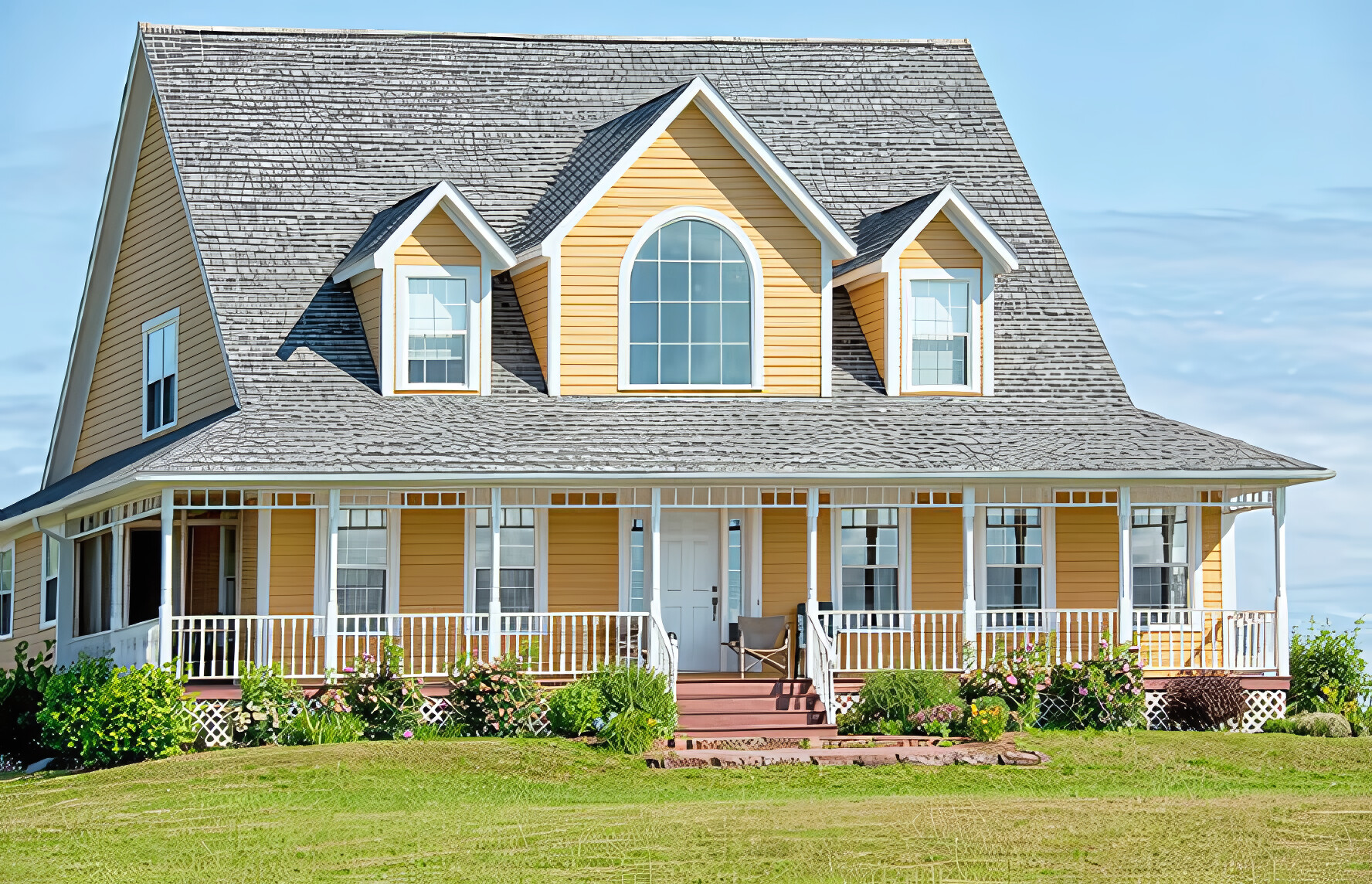
Increased Indoor Comfort
Homes with insulated vinyl siding often feel warmer in the winter and cooler in the summer. This added comfort reduces the strain on heating and cooling systems and may lead to lower energy bills.
Environmentally Friendly Choice
Many insulated vinyl siding products are manufactured using recycled materials, including post-consumer polystyrene. This makes insulated vinyl a smart option for homeowners looking to reduce their environmental impact.
Added Strength and Durability
The foam backing adds rigidity, making insulated vinyl siding more resistant to impact and extreme weather. It also helps siding panels lie flatter against the home for a more polished appearance.